


8 Essential Steps to Start a Professional Online Store
Following the right steps to start an online store can help you turn a business idea into a digital venture capable of reaching new customers and increasing sales without being limited by geographical boundaries. However, a successful online store requires more than designing a website and adding products. It needs a clear business plan, the right e-commerce platform, reliable payment and shipping options, and a smooth, secure shopping experience.
If you are considering launching an online business, this guide will walk you through the 8 essential steps to start a professional online store, from the initial planning stage to launch. We will cover product selection, market research, platform selection, store design, payment setup, shipping arrangements, legal requirements, and marketing strategies to attract customers.
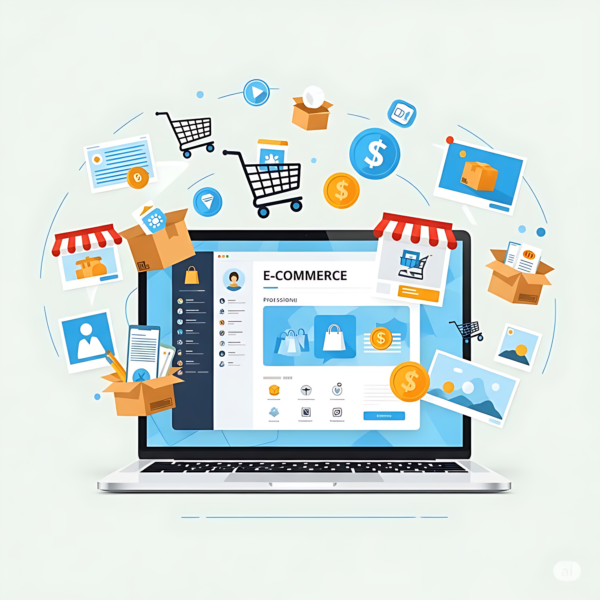
What Is an Online Store and How Does It Support Your Steps to Start an Online Store?
An online store is a digital platform that allows businesses and individuals to display and sell products or services over the internet. Customers can browse products, review prices and specifications, add items to their shopping carts, and complete purchases using the available payment methods.
An online store operates through several interconnected components, including:
- User interface: Displays products, categories, and store information.
- Product pages: Include product images, prices, descriptions, and specifications.
- Shopping cart and checkout: Allow customers to review their selections and place orders.
- Online payment gateways: Process electronic payments securely.
- Inventory and order management systems: Help organize stock and customer orders.
- Shipping and delivery options: Manage the delivery of purchased products.
- Customer management and sales analytics tools: Help businesses monitor customer activity and sales performance.
You can build an online store using a ready-made e-commerce platform or develop a custom website, depending on your business model, project size, and available budget.
8 Essential Steps to Start an Online Store Professionally
The steps to start an online store begin with researching your business idea and understanding customer needs. The process then moves through store development, launch, and marketing. Following a clear sequence helps you avoid unnecessary expenses and build a business that can grow over time.
Here are the eight essential steps:
Step 1: Choose Your Products and Define Your Online Store Concept
The first step in building a successful online store is deciding which products or services you want to sell. Avoid choosing products simply because they are trending. Instead, research whether there is genuine demand and whether you can source them at a suitable quality and profit margin that supports your business.
You can choose from several product and service categories:
- Physical products: Such as clothing, accessories, electronic devices, and personal care products.
- Digital products: Such as e-books, online courses, designs, and downloadable digital files.
- Services: Such as consulting, professional services, design, and marketing.
- Niche products: Products aimed at a specific customer segment and designed to meet clearly defined needs.
Before finalizing your store concept, consider the following questions:
- Who is your target audience?
- What problem does your product solve?
- Is there sufficient demand for these products?
- Who are your main competitors?
- What makes your store different from other options?
- Can you maintain a consistent product supply?
The clearer your answers, the more accurately you can make decisions about pricing, design, and marketing.
Step 2: Research the Market and Competitors and Develop a Business Plan
Once you have selected your products, the next step is market research. This is essential for reducing risks before investing money in your project.
Market research helps you understand demand, customer preferences, prevailing prices, and the strengths and weaknesses of competing businesses.
Focus on the following areas:
- Target audience: Age, interests, geographical location, and purchasing power.
- Competitors: Their products, prices, offers, and product presentation.
- Demand: The level of customer interest in the products you intend to sell.
- Suppliers: Pricing, quality, delivery times, and return policies.
- Profit margins: The difference between your selling price and direct and indirect costs.
After completing your research, prepare a business plan covering your project objectives, initial budget, product sources, pricing strategy, marketing plan, and financial projections.
Your initial business plan does not need to be complicated. What matters is understanding how your store will generate revenue, which expenses you will incur, and how you will reach potential customers.
Step 3: Choose the Right E-Commerce Platform
Choosing the right platform is one of the most important decisions when following the steps to start an online store. Your platform determines how you manage products, orders, payments, design, and future expansion.
Several e-commerce platforms are available, each offering features suited to different types of businesses.
1. Salla
<Entity value=”Salla” category=”software” disambig=”Saudi e-commerce platform”/> is a well-known e-commerce platform in the Saudi market. It provides tools for managing products, orders, payments, and shipping. It is also suitable for business owners who want to launch an online store without extensive programming knowledge.
2. Zid
<Entity value=”Zid” category=”software” disambig=”Saudi e-commerce platform”/> provides e-commerce solutions for building online stores and managing business operations, along with tools and integrations that help organize sales and daily activities.
3. WooCommerce
<Entity value=”WooCommerce” category=”software” disambig=”WordPress e-commerce plugin”/> is an e-commerce plugin for WordPress that offers extensive flexibility in customizing store design and functionality. It is suitable for businesses that need greater control over their website, plugins, and user experience.
4. Shopify
<Entity value=”Shopify” category=”software” disambig=”E-commerce platform”/> is a dedicated e-commerce platform that provides tools for managing products, orders, payments, and store design. It is suitable for businesses looking for an integrated environment to manage online sales.
How Do You Choose the Best Platform for Your Business?
There is no single platform that works best for every business. Compare your options based on the following criteria:
- Ease of use and product management.
- Subscription and operating costs.
- Payment and shipping options available in your target market.
- Design and customization capabilities.
- Marketing tools and search engine optimization features.
- Scalability and the ability to add new features.
- Technical support quality and integration with other systems.
If you are unsure which platform is right for your business, contact STEP Digital Marketing via WhatsApp for guidance on selecting the most suitable solution for your project.
[Illustrative Image: Online Store Design and Product Page Setup]
Step 4: Design Your Online Store and Prepare Product Pages
After selecting your platform, the next stage is designing your online store. At this point, focus on usability, clear navigation, easy product discovery, and a convenient shopping experience across mobile devices and desktop computers.
Good design is not about using too many colors or visual effects. It is about helping customers find what they need, understand product details, and complete purchases without unnecessary complications.
Essential Elements of a Professional Online Store
- Homepage: Presents your store’s identity, main categories, offers, and featured products.
- Category pages: Organize products into clear and relevant groups.
- Product pages: Include high-quality images, accurate descriptions, clear pricing, and essential specifications.
- Shopping cart: Allows customers to review products and quantities before checkout.
- Checkout page: Should be simple and request only the necessary information.
- Contact page: Provides clear ways to reach customer support.
- Responsive design: Ensures convenient browsing on smartphones and tablets.
The Importance of Product Images and Descriptions
Product images and descriptions have a significant influence on purchasing decisions. Use clear images from different angles and write descriptions that explain the benefits, specifications, sizes, or usage instructions, depending on the product.
Do not simply copy the supplier’s product description. Provide useful information that helps customers make informed purchasing decisions with confidence.
Explore our Website and E-Commerce Development Services to learn more about the available solutions for designing and developing your online store.
Step 5: Set Up Online Payment Methods
Providing secure and diverse payment options is an important factor in online store success. The easier and clearer the payment process, the greater the opportunity for customers to complete their purchases.
Available payment methods vary depending on the country, platform, and payment service provider. Common options include:
- Bank card payments.
- Digital wallets and electronic payment services.
- Buy-now-pay-later services, where available and subject to their terms.
- Bank transfers.
- Cash on delivery, if suitable for your business and shipping provider.
Tips for Setting Up a Payment Gateway
- Choose a reliable payment provider that suits your target market.
- Review transaction fees, commissions, and contractual terms.
- Make sure the payment gateway is compatible with your e-commerce platform.
- Test payment and refund transactions before launch.
- Use secure connections to protect customer information.
- Clearly display available payment methods before checkout.
It is also important to ensure that customers receive clear confirmation after a successful payment and that the order status is correctly updated in your store’s control panel.
[Illustrative Image: Online Shopping and Electronic Payment Process]
Step 6: Choose Shipping and Delivery Options and Manage Orders
The customer experience does not end when payment is completed. It continues until the product arrives. That is why you need a clear shipping and delivery plan and must choose providers suited to your products and target locations.
Before signing a contract with a shipping company, compare the following:
- Shipping costs within and outside cities.
- Estimated delivery times.
- Geographical coverage.
- Shipment tracking capabilities.
- Procedures for handling returned orders.
- Customer service quality.
- Cash-on-delivery options, if required.
How Do You Organize Shipping Operations?
-
Define the delivery areas covered by your store.
- Display shipping costs before customers complete their orders.
- Specify estimated delivery times.
- Establish a process for packaging and protecting products.
- Monitor orders and shipments regularly.
- Create clear procedures for delays, damaged products, and returns.
If your order volume requires it, consider integrating your store with an order and shipping management system. This makes it easier to track orders and reduce operational errors.
Step 7: Complete Legal Requirements and Prepare Your Store Policies
Before launching your online store, make sure you have completed the legal and commercial requirements that apply to your business and the country in which you operate.
For businesses targeting the Saudi market, it is important to review e-commerce regulations, store verification requirements, and the information and policies needed to protect consumer rights.
Key requirements to consider include:
- Obtaining the appropriate commercial registration or legal document for your business activity, in accordance with applicable requirements.
- Reviewing online store verification requirements through the Saudi Business Center.
- Providing accurate business information and contact details.
- Preparing a privacy policy and customer data protection procedures.
- Creating clear exchange, return, and refund policies.
- Explaining shipping and delivery terms.
- Providing a clear process for handling complaints and inquiries.
- Complying with applicable tax and e-invoicing requirements.
The Saudi Ministry of Commerce provides information about e-commerce regulations and guidance for online stores. You can also consult the Consumer Rights and Responsibilities Guide for information about customer-related requirements.
Important note: Requirements vary depending on the type of business, legal entity, and products sold. Always check with the relevant official authorities before starting operations.
[Illustrative Image: Online Store and Order Management]
Step 8: Launch Your Online Store and Market It to Attract Customers
Once your products, design, payment methods, shipping arrangements, and legal requirements are ready, your store can move into the launch and marketing stage.
However, creating an online store alone does not guarantee customer traffic. You need a marketing plan that introduces your brand to the right audience and turns visits into orders and sales.
The Most Important Online Store Marketing Strategies
1. Search Engine Optimization (SEO)
Optimizing product pages, category pages, and website content can improve your store’s chances of appearing in search results when potential customers look for the products you offer.
This includes selecting relevant keywords, optimizing page titles and descriptions, publishing useful content, improving website speed, and enhancing user experience.
Explore our SEO Services to improve your store’s visibility in search engines.
2. Social Media Marketing
Use the platforms that best match your target audience to showcase products, publish videos and images, promote offers, and engage with customers. Depending on your business, you can use Instagram, TikTok, Snapchat, and Facebook.
3. Paid Advertising Campaigns
Advertising on Google, Meta, and other platforms can help you reach specific customer segments. Start with an appropriate testing budget, then monitor customer acquisition costs, conversion rates, and return on ad spend.
4. Content Marketing
Create useful content that answers customer questions, explains product benefits, and demonstrates how products work. This is more effective than relying exclusively on sales-focused posts.
5. Email and WhatsApp Marketing
These channels can be used to send order updates, promotional offers, and useful content, while respecting customer consent, communication policies, and data protection requirements.
How Much Does It Cost to Follow the Steps to Start an Online Store?
After launching your store, monitor key performance indicators regularly, including:
- Number of store visits.
- Conversion rate.
- Average order value.
- Customer acquisition cost.
- Shopping cart abandonment rate.
- Repeat purchase rate.
- Total sales and revenue.
- Return on ad spend (ROAS).
These metrics help you identify strengths and weaknesses and continuously improve the shopping experience and marketing campaigns.
Common Mistakes to Avoid in the Steps to Start an Online Store
An online store offers several advantages that make it an attractive option for businesses and entrepreneurs, including:
- Reaching a wider audience: You can showcase your products to customers in different geographical areas, depending on your delivery coverage.
- Selling around the clock: Customers can browse products and place orders at any time.
- Offering a wider product range: You can organize large product collections into clear categories.
- Easier sales tracking: E-commerce platforms provide reports that help you analyze orders and revenue.
- Supporting marketing campaigns: You can connect your store to advertising, analytics, and marketing tools.
- Scalability: You can add new products, categories, and services as your business grows.
- Improving customer experience: Payment, shipping, and order-tracking tools help organize the purchasing journey.
How Can STEP Digital Marketing Help You Start an Online Store?
There is no fixed cost that applies to every online store. The budget depends on the business model, platform, required features, and number of products.
The main factors that determine the cost include:
-
E-commerce platform subscription or hosting fees.
- Domain name registration.
- Store design and visual identity customization.
- Programming, plugins, and technical integrations.
- Product photography and description writing.
- Payment gateway fees.
- Shipping, packaging, and storage costs.
- Marketing and paid advertising.
- Maintenance and technical support.
- You can start with a relatively simple setup using a ready-made platform, while larger stores or projects requiring custom features may need a higher budget.
Tip: Do not focus solely on building a store at the lowest possible cost. Prioritize creating a secure, user-friendly, and scalable store, and allocate your budget to the elements that directly affect customer experience and sales.
Common Mistakes to Avoid When Starting an Online Store
To avoid problems after launching your store, stay away from these common mistakes:
- Choosing products without researching demand and competition.
- Using poor-quality images or inaccurate product descriptions.
- Neglecting the mobile shopping experience.
- Making the checkout process unnecessarily complicated.
- Failing to explain shipping costs and return policies.
- Ignoring website speed and security.
- Launching advertising campaigns without clear objectives or performance tracking.
- Failing to follow up on customer inquiries and orders.
- Relying exclusively on paid ads without building organic visibility through search engines and content marketing.
How Can STEP Digital Marketing Help You Start an Online Store?
Starting a professional online store requires coordination between technical, commercial, and marketing activities. Choosing a team with a clear understanding of these areas can help you build a store that fits your business model and objectives.
STEP Digital Marketing provides solutions that help businesses and entrepreneurs develop their online presence, including:
Researching business ideas and target audience requirements.
Helping you select the right e-commerce platform.
Designing and developing online stores.
Organizing categories and product pages.
Improving user experience and website navigation.
Preparing your store for search engine optimization (SEO).
Developing digital marketing and paid advertising strategies.
Creating marketing content suited to your products and services.
Explore STEP Digital Marketing Services and Packages or visit our official website to learn more about the available solutions.
Frequently Asked Questions About Starting an Online Store
Can I Create an Online Store Without Programming Experience?
Yes. Platforms such as Salla, Zid, and Shopify provide ready-made tools that allow you to create and manage an online store without writing code. WooCommerce offers greater flexibility, but depending on the level of customization required, you may need technical knowledge or professional assistance.
What Is the Best Platform for Creating an Online Store in Saudi Arabia?
The right choice depends on your business model, budget, and required features. Salla and Zid are worth considering if you need locally oriented e-commerce solutions. WooCommerce may suit businesses that need greater flexibility, while Shopify offers an integrated platform dedicated to online retail.
How Long Does It Take to Start an Online Store?
The timeline depends on the number of products, design complexity, customization level, and required integrations. A simple store can be prepared relatively quickly, while larger or custom-built stores require more time for development and testing.
Can I Create a Free Online Store?
Some platforms offer free or trial plans. However, operating a professional online store may involve additional costs, including domain registration, subscriptions, plugins, payment services, and marketing.
Does an Online Store Need Commercial Registration?
Requirements vary depending on the type of business, the owner’s legal status, and the applicable regulations. In Saudi Arabia, you should review the requirements of the Ministry of Commerce, the Saudi Business Center, and other relevant authorities to determine the appropriate documents and licenses before starting operations.
Conclusion: Start Building Your Online Store with a Clear Plan
The steps to start a professional online store involve much more than choosing a platform and adding products. It is a complete business project that begins with market research and product selection, continues through design, payments, shipping, and legal requirements, and moves into marketing, performance analysis, and continuous improvement.
By following these eight essential steps, you can establish a strong foundation for your online store, deliver a convenient shopping experience, and build a business with room to grow and expand.
If you are planning to launch a new store or improve an existing one, contact STEP Digital Marketing via WhatsApp for a consultation about online store development and the marketing solutions that best support your business goals.