



Color harmony is something everyone needs in life, especially designers. Colors give everything spirit and meaning. Imagine anything without colors—you would not find the beauty and joy that make you enjoy looking at it. Without proper color coordination, a design cannot succeed, as color harmony in design is one of the most important elements that highlight your design and attract users.
Color harmony makes your design better, easier to use, more understandable to the audience, and more expressive of your brand identity. It is the thread that connects elements together within one design. It also connects multiple designs across a single campaign or brand, making them more distinctive and impactful.
The Relationship Between Color Harmony and Brand Identity
The art of color harmony plays a major role in branding. To create a better digital experience for your customers, it is important to consider color consistency across all your designs. Brand colors are a key part of brand recognition and a major factor in the success of advertising campaigns, whether online or offline.
Harmonious and vibrant colors work together with your logo to attract customers’ attention, communicate your message, and create a positive emotional connection with your audience. This strengthens engagement with your brand and makes it easier to recognize and remember.
The beauty of color in design lies in the palette you choose strategically to create visually appealing content across social media platforms. Considering how quickly visual media spreads online, strong design combined with smart color choices for your logo and other design elements can help build a brand identity that people remember.
Color Meanings
Colors influence how consumers perceive the personality of a brand. In fact, colors can affect up to 85% of consumers’ purchasing decisions, which makes understanding them essential. Brands should harness the power of color by understanding how each color is interpreted visually and psychologically, and how it influences emotions and perceptions.
Red
(Power – Excitement – Passion – Love – Courage)
-
Red is a strong color that grabs attention and encourages action and decision-making.
-
It is commonly used in call-to-action buttons such as “Buy Now” or “Click Here.”
-
It is associated with energy and often used in automotive brands, energy drinks, and fitness industries.
-
It also stimulates appetite, which is why it is widely used in food and beverage branding.
Yellow
(Joy – Happiness – Energy – Optimism)
-
Yellow is highly noticeable and often used in warning signs and to highlight important elements in designs.
-
It is frequently used in children’s and entertainment products.
-
Yellow can symbolize courage and nobility, but it can also represent caution or illness in certain contexts.
Blue
(Success – Stability – Professionalism – Calmness)
-
Blue is associated with intelligence, knowledge, and reliability.
-
It is widely used by technology companies and financial institutions.
-
It is also common in logos related to cleanliness, aviation, water, and oceans.
-
However, it is rarely used in food products.
Orange
(Creativity – Innovation – Attraction – Motivation)
-
Orange encourages activity, creativity, and mental stimulation.
-
It is used to attract attention and create a sense of enthusiasm.
-
It is often used in healthy food branding and children’s products.
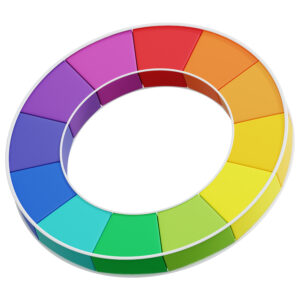
What is the Color Wheel?
The color wheel is a visual tool used to understand how colors interact with each other. It helps designers coordinate colors harmoniously to achieve balanced aesthetics in design projects.
The color wheel consists of primary, secondary, and tertiary colors, and serves as a reference for choosing color schemes in any creative project.
Primary Colors
Primary colors include red, blue, and yellow.
These colors cannot be created by mixing other colors. Instead, they are the base colors used to create secondary and tertiary colors.
Secondary Colors
Secondary colors are created by mixing two primary colors together:
-
Blue + Yellow = Green
-
Red + Blue = Purple
-
Yellow + Red = Orange
These colors play an essential role in creating balanced and harmonious designs.
Tertiary Colors
Tertiary colors result from mixing primary and secondary colors. For example:
-
Blue + Green = Blue-Green
-
Red + Orange = Red-Orange
These colors offer greater flexibility when creating color gradients and sophisticated color palettes.
Color Relationships
Colors are represented in the Hexadecimal (HEX) color system, which uses six characters preceded by a hashtag (#) to represent each color digitally.
The color wheel arranges colors in a circular format according to their relationships. Designers use it to create effective color schemes.
Complementary Colors
Complementary colors sit opposite each other on the color wheel.
They create strong contrast and visual energy, making them ideal for bold and dynamic designs.
Analogous Colors
Analogous colors sit next to each other on the color wheel.
They create a harmonious and calming visual effect, often used in nature-inspired designs.
Monochromatic Colors
Monochromatic schemes use different shades and tints of a single color.
They help create visual consistency while still adding contrast within a design.
Color Coordination and Gradients
The art of combining colors is largely based on the color wheel, which organizes primary, secondary, and tertiary colors.
Understanding how colors relate to each other is a crucial skill for designers, artists, marketers, and brand owners.
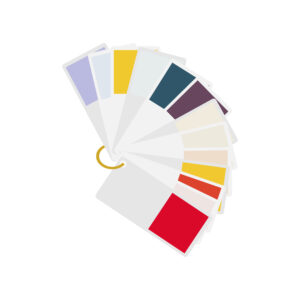
The Importance of Color Harmony in Branding
Color harmony adds significant value to your brand. It helps:
-
Differentiate your brand from competitors
-
Build trust with customers
-
Increase brand recognition by up to 80%
-
Improve user experience
-
Clarify and strengthen your message
An inconsistent design is like communicating with users in multiple languages at once—it creates confusion and weakens the message.
Consistent design eliminates confusion and ensures clarity.
It also saves time and resources because predefined design components allow designers to work faster and make better decisions.
Tools for Choosing and Coordinating Colors
Several tools can help designers create harmonious color palettes:
-
Adobe Color CC – A professional tool by Adobe that helps designers create color schemes using the color wheel and export them to Photoshop.
-
Kuler – A free online tool for creating and exploring color palettes.
-
ColourLovers – A community-based platform that offers inspiration and color palettes.
-
Coolors.co – A fast color palette generator for designers.
-
Color Rotate – A 3D version of color scheme tools for exploring color relationships.
-
Colordot – A simple tool for generating palettes using mouse movements.
-
ColorHexa – A comprehensive color encyclopedia that provides detailed information about colors.
-
Paletton – Generates color palettes based on a selected base color.
-
HueSnap – Extracts color palettes from images.
-
MulticolorEngine – Searches images based on color combinations.
-
Canva Color Palette Generator – Generates palettes directly from uploaded images.
7 Tips for Achieving Color Harmony in Design
Color harmony is a critical element in branding and digital marketing design. Here are seven practical tips:
-
Choose a consistent color palette that reflects your brand identity.
-
Use primary and secondary colors wisely to create visual balance.
-
Experiment with color gradients to add depth and dimension.
-
Use contrasting colors strategically to highlight key elements.
-
Align colors with your brand message and personality.
-
Use color tools and generators to ensure harmony.
-
Ensure color consistency across platforms, both digital and print.
Disconnecting the visual elements of your brand—such as colors and design—from its core message may weaken the connection between your brand and your audience.
Therefore, color should be used to tell a story and express the personality of your brand, influencing user behavior and shaping overall perception.
Pay close attention to color harmony in your designs, choose your colors carefully, understand their meanings, and use them strategically to communicate your ideas and achieve the desired impact.