


The Importance of Marketing in Achieving Sustainable Business Growth: Effective Strategies for Success
In today’s fast-paced and ever-changing business environment, marketing plays a vital role in achieving sustainable growth and increasing sales. It serves as the bridge between businesses and customers, acting as a key tool for strengthening brand identity, building customer relationships, and raising awareness of products and services. In this article, we will explore the importance of marketing and how effective strategies can contribute to business success.

1. What is Marketing?
Marketing is a set of activities aimed at promoting products and services, building customer relationships, and achieving business goals by identifying and effectively meeting customer needs. It encompasses a wide range of functions, including research and analysis, strategic planning, promotion, distribution, and customer relationship management.
2. The Importance of Marketing in Business
2.1. Strengthening Brand Identity
Marketing is essential for building and enhancing a strong brand identity in the market. It helps differentiate a business from competitors by creating a unique and appealing image that reflects the company’s values and mission.
2.2. Attracting Customers
Attracting new customers is one of the primary goals of marketing. Through effective strategies, businesses can capture attention and motivate potential customers to purchase their products or services.
2.3. Building Customer Relationships
Marketing is not only about acquiring new customers but also about maintaining strong and lasting relationships with existing ones. By delivering excellent service and valuable content, businesses can increase customer loyalty and retention rates.
2.4. Increasing Sales
Effective marketing strategies contribute to increased sales by improving the customer experience, offering promotions, and maintaining continuous communication with customers about new products and services.
3. Effective Marketing Strategies
3.1. Digital Marketing
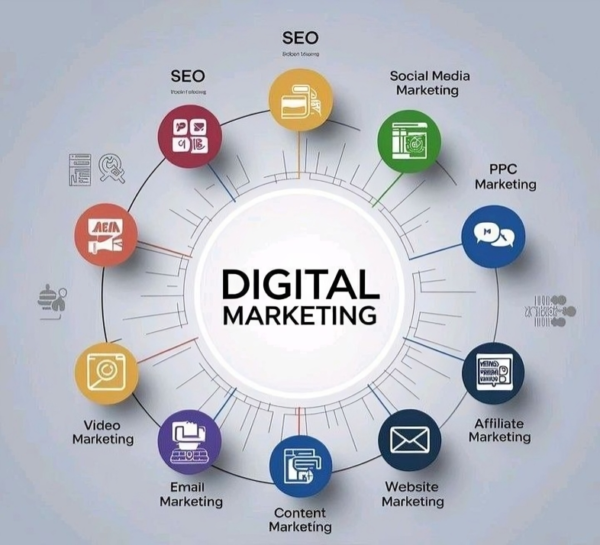
Digital marketing has become a core component of modern strategies. It includes activities such as search engine optimization (SEO), social media marketing, and online advertising.
3.2. Content Marketing
Content marketing is one of the most effective ways to build relationships and enhance customer loyalty. By providing valuable and relevant content, businesses can attract and retain customers.
3.3. Social Media Marketing
Social media platforms are powerful tools for engaging customers and building communities around brands. Platforms like Facebook, Instagram, and Twitter enable direct interaction and stronger engagement.
3.4. Search Engine Optimization (SEO)
SEO involves optimizing website content to improve visibility in search engine results. By using relevant keywords and improving site structure, businesses can drive more organic traffic and increase conversion rates.
4. Market Analysis and Understanding the Target Audience
4.1. Data Collection and Analysis
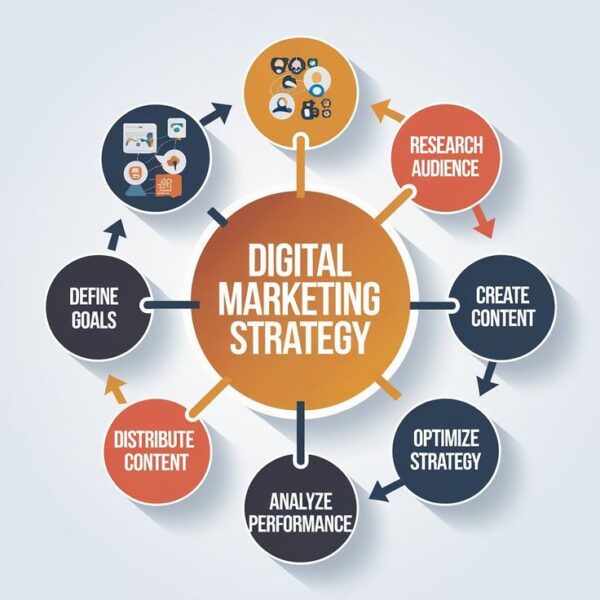
Collecting and analyzing data is a fundamental part of any marketing strategy. Understanding the market and target audience allows businesses to develop customized strategies that meet customer needs and outperform competitors.
4.2. Market Segmentation
Market segmentation helps businesses target their marketing efforts more effectively. By identifying different customer segments and understanding their preferences, companies can deliver tailored offerings that maximize satisfaction.
5. Customer Relationship Management
5.1. Using CRM Tools
Customer Relationship Management (CRM) tools help businesses manage interactions with customers efficiently. By tracking customer behavior and analyzing data, companies can enhance customer experience and loyalty.
5.2. Delivering Excellent Customer Service
Providing outstanding customer service is crucial for building strong relationships. Quick responses and actively listening to customer feedback help improve products, services, and overall satisfaction.
6. Performance Measurement and Analysis
6.1. Using Key Performance Indicators (KPIs)
Measuring performance through KPIs helps businesses evaluate the effectiveness of their marketing strategies and identify areas for improvement. Metrics such as conversion rate, customer retention rate, and return on investment (ROI) are essential for continuous improvement.
6.2. Continuous Analysis and Adaptation
Ongoing analysis and adaptation to market changes are key to marketing success. By monitoring performance and adjusting strategies based on data insights, businesses can stay competitive and achieve their goals.
Conclusion
Marketing is a fundamental element for achieving success and sustainable growth in today’s business world. By understanding its importance and applying effective strategies such as digital marketing, content marketing, and market analysis, businesses can strengthen their brand, attract customers, and increase sales. Additionally, managing customer relationships and continuously measuring and analyzing performance ensures long-term success and consistent achievement of business objectives.