


Advertising Marketing: How to Achieve Remarkable Success in Attracting Customers and Increasing Sales
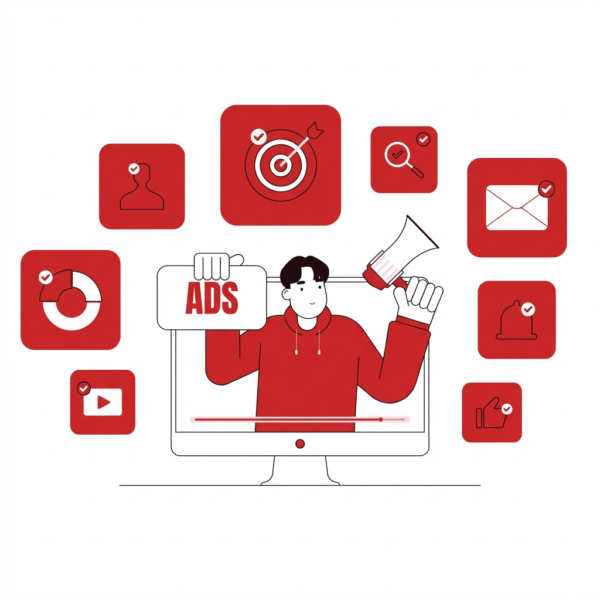
In today’s modern business world, advertising marketing is considered one of the most powerful tools companies can use to attract customers and increase sales. Through integrated strategies and the use of various types of advertisements, businesses can effectively achieve their commercial goals. In this article, we will explore the concept of advertising marketing, its different types, and how to apply effective strategies for success.
1. What is Advertising Marketing?
Advertising marketing refers to a set of activities and efforts aimed at introducing products or services to the target audience with the goal of attracting customers and increasing sales. It involves using various media channels such as television, radio, the internet, and social media platforms to deliver advertising messages and reach the intended audience.
2. Importance of Advertising Marketing
2.1. Increasing Brand Awareness
Advertising helps increase brand awareness and introduces the brand to a wider audience. Through well-planned advertising campaigns, companies can capture attention and strengthen their brand presence.
2.2. Attracting New Customers
Advertising marketing plays a key role in attracting new customers and expanding the customer base. By reaching a broader audience, businesses can increase their chances of growth and sales.
2.3. Boosting Sales
Advertising contributes to boosting sales by highlighting products or services and clearly presenting their benefits. Effective campaigns can motivate customers to make purchasing decisions.
3. Types of Advertising Marketing
3.1. Traditional Advertising
Traditional advertising includes media such as television, radio, newspapers, and magazines. Despite the shift toward digital, traditional advertising still holds value in certain markets.
3.2. Digital Advertising
Digital advertising refers to advertising conducted عبر الإنترنت. It includes search engine ads, social media ads, display ads, and video ads. It is considered one of the most effective forms of advertising today.
3.3. Social Media Advertising
Social media advertising is a type of digital advertising that uses platforms like Facebook, Twitter, and Instagram to reach targeted audiences. These ads can achieve excellent results due to precise targeting capabilities.
3.4. Email Advertising
Email advertising involves sending promotional messages via email to potential or existing customers. It is an effective way to communicate directly with the audience and enhance sales.
3.5. Content Advertising
Content advertising focuses on providing valuable content to the audience instead of direct promotional messages. This can include blogs, videos, eBooks, and webinars.
4. Effective Advertising Marketing Strategies
4.1. Defining the Target Audience
Identifying the target audience is the first step in any successful advertising campaign. Companies must clearly understand who they want to reach, along with their needs, preferences, and behaviors.
4.2. Choosing the Right Advertising Channels
Selecting the appropriate advertising channels depends on the target audience and campaign objectives. Businesses should focus on platforms where their audience is most active and engaged.
4.3. Creating Engaging Content
Content is the core of any advertising campaign. It must be engaging, valuable, and relevant to the audience. This includes images, videos, written content, and visual graphics.
4.4. Using Targeted Advertising
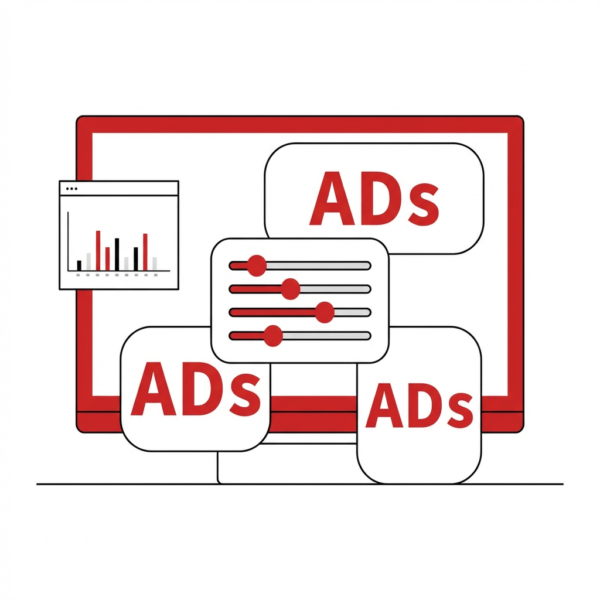
Targeted advertising helps reach the right audience more effectively. Digital tools such as Google Ads and Facebook Ads allow businesses to target users based on interests, behavior, and geographic location.
4.5. Performance Analysis and Campaign Optimization
Analyzing performance is a crucial part of any advertising campaign. Tools like Google Analytics help track results and measure key performance indicators (KPIs). Companies should regularly review data to optimize campaigns and improve effectiveness.
5. Advertising Marketing Budget
5.1. Budget Planning
Setting an advertising budget is essential to achieve goals without exceeding costs. Businesses must determine how much they can allocate and plan accordingly.
5.2. Budget Allocation
Budget distribution depends on campaign goals and target audience. A portion can be allocated to digital advertising, another to traditional advertising, and another to social media campaigns.
5.3. Monitoring Spending
Tracking expenses is a key part of budget management. Companies should continuously monitor spending to ensure resources are used efficiently for the best results.
6. Examples of Successful Advertising Campaigns
6.1. Coca-Cola Campaign
Coca-Cola launched an innovative social media campaign to promote a new product. Through engaging content and direct audience interaction, the campaign achieved significant success and increased sales.
6.2. Nike Campaign
Nike utilized digital ads and inspirational videos to promote its products. The campaign focused on emotional storytelling, which boosted audience engagement and delivered outstanding results.
6.3. Apple Campaign
Apple used both television and online advertising to promote its latest products. The campaign stood out for its creativity and focus on unique product features, increasing brand awareness and driving sales.
Conclusion
Advertising marketing is a powerful tool for achieving business success. By implementing effective strategies, defining the right target audience, and creating engaging content, companies can attract customers and increase sales. Additionally, performance analysis and campaign optimization are essential components of any successful advertising strategy. With proper budget management and spending control, businesses can achieve optimal results and meet their commercial objectives.