


What is Search Engine Marketing (SEM)? A Comprehensive Guide to Strategies and Tools
In today’s digital age, Search Engine Marketing (SEM) is one of the essential tools businesses rely on to increase online visibility and attract potential customers. In this article, we will explore what SEM is, its importance, key strategies, and how to run effective SEM campaigns.

1. What is Search Engine Marketing (SEM)?
SEM Definition
Search Engine Marketing (SEM) is a digital marketing strategy used to improve a website’s visibility in search engine results pages through paid advertising. It includes a range of activities such as search engine optimization (SEO) and paid ads like Pay-Per-Click (PPC).
- Paid Ads: Allow businesses to display ads in search engine results.
- PPC (Pay-Per-Click): A common model where businesses pay for each click on their ads.
Importance of SEM
SEM is a powerful tool for increasing brand awareness, driving targeted traffic, and achieving fast return on investment.
- Quick Results: Paid ads can start bringing traffic immediately after launch.
- Precise Targeting: Enables targeting based on keywords, location, interests, and more.
2. SEM Strategies
Keyword Research
Keyword research is the foundation of any successful SEM campaign. It involves identifying the terms potential customers use when searching for related products or services.
- Research Tools: Tools like Google Keyword Planner and Ahrefs help find relevant keywords.
- Negative Keywords: Exclude irrelevant searches to avoid wasted clicks.
Ad Creation
Creating compelling ads is a critical part of SEM success.
- Catchy Headlines: Grab attention quickly.
- Clear Descriptions: Explain your offer clearly.
- Relevant Links: Direct users to optimized landing pages.
Audience Targeting
Precise targeting increases campaign effectiveness by reaching users most likely to convert.
- Geographic Targeting: Focus on specific locations.
- Demographics: Target age groups, gender, etc.
- Interests & Behavior: Reach users based on online behavior.
Campaign Optimization
Continuous optimization ensures better performance.
- Performance Analysis: Use tools like Google Analytics and Google Ads.
- A/B Testing: Test different ad variations.
- Budget Management: Allocate budget efficiently for maximum ROI.
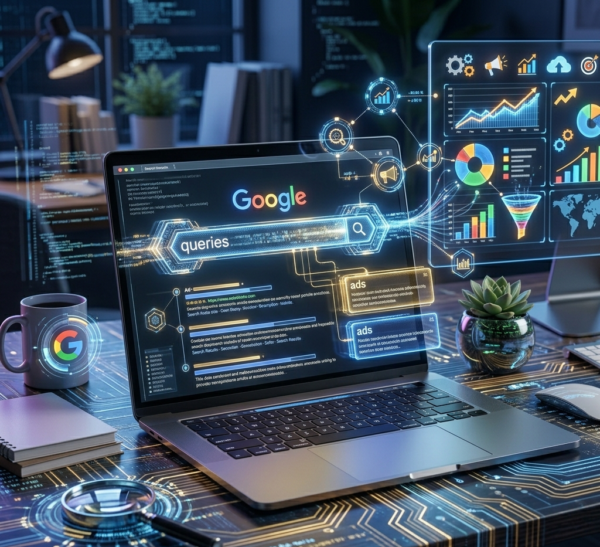
3. Popular SEM Tools
Google Ads
The most popular SEM platform that allows businesses to create and manage campaigns on Google.
- Search Ads: Text ads shown in search results.
- Display Ads: Visual ads across websites.
- Video Ads: Ads on YouTube.
Microsoft Advertising (formerly Bing Ads)
A platform by Microsoft that enables advertising on the Bing search engine.
- Search Ads: Similar to Google Ads but on Bing.
- Display Ads: Across partner websites.
Research & Analytics Tools
- Google Keyword Planner
- Ahrefs
- SEMrush
These tools provide advanced keyword insights and competitor analysis.
4. Measuring SEM Effectiveness
Key Metrics
- CTR (Click-Through Rate): Clicks divided by impressions.
- Conversion Rate: Percentage of visitors who take action.
- CPA (Cost Per Acquisition): Cost to acquire a customer.
Analytics Tools
- Google Analytics for overall website performance
- Google Ads for detailed ad reports
Continuous Improvement
- Regular data analysis and adjustments
- A/B testing for better results
Conclusion
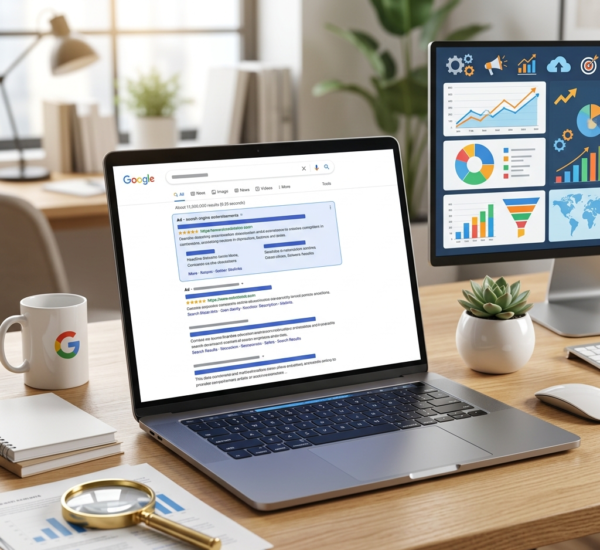
Search Engine Marketing (SEM) is a powerful tool for increasing online visibility and driving traffic. By leveraging strategies like keyword research, ad creation, audience targeting, and campaign optimization, businesses can achieve impressive results quickly. Using tools like Google Ads and Microsoft Advertising, along with advanced analytics tools, allows continuous improvement and maximized return on investment.
Investing in SEM helps you stay ahead in today’s competitive digital marketing landscape.