


Marketing Management: The Art of Guiding Brands Toward Success
In today’s fast-paced and constantly evolving business world, marketing management plays a vital role in guiding brands toward success and achieving business objectives. Effective marketing management requires a diverse set of skills and strategies that help build strong customer relationships, increase brand awareness, and drive sustainable sales. In this article, we explore the concept of marketing management, the importance of planning and analysis, and best practices for successful marketing campaigns.
1. What is Marketing Management?

Marketing management is the process of analyzing, planning, implementing, and controlling marketing programs designed to achieve specific company objectives. It includes identifying target markets, developing marketing strategies, and evaluating results. The main goal is to meet customer needs effectively and increase satisfaction, leading to sustainable profitability.
Elements of Marketing Management:
Market analysis: Understanding the market, competitors, and potential customers.
Strategy development: Setting goals and developing plans to achieve them.
Plan execution: Implementing marketing strategies and monitoring performance.
Performance evaluation: Measuring outcomes and analyzing results to determine whether objectives have been achieved.
2. The Importance of Planning in Marketing Management
Effective planning is the foundation of any successful marketing campaign. It involves setting objectives, understanding the target audience, and developing appropriate strategies.
Steps for Effective Planning:
Setting objectives: Defining clear and measurable goals such as increasing sales, improving brand awareness, or entering new markets.
Market analysis: Gathering data about the market, competitors, and customers to understand the marketing environment.
Defining the target audience: Understanding audience needs and preferences to direct marketing efforts effectively.
Developing marketing strategies: Creating plans to achieve objectives using various tools and channels.
3. Market Analysis and Marketing Research
Market analysis and marketing research are essential components of marketing management. They help companies understand market dynamics and identify opportunities and threats.
Components of Market Analysis:
External environment analysis:Studying the economic, social, technological and political factors that cover the market
Competitor analysis: Understanding competitors’ strengths and weaknesses and identifying competitive opportunities.
Customer analysis: Studying customer needs, preferences, and purchasing behaviors.
Types of Marketing Research:
Primary research: Collecting new data through surveys, interviews, and focus groups.
Secondary research: Analyzing existing data from market reports, government statistics, and academic studies.
4. Brand Development
A brand is one of the most valuable assets a company owns. Managing a brand requires a strong strategy to enhance identity and build a positive image in customers’ minds.
Elements of Brand Building:
Defining visual identity: Designing a logo, colors, and visual style that reflect company values.
Developing brand messaging: Creating a clear message that communicates brand values and benefits.
Enhancing brand awareness: Using advertising, social media, and events to increase visibility.
Building customer loyalty: Delivering exceptional experiences and services to retain customers.
5. Digital Marketing Strategies
In the digital age, digital marketing has become essential for reaching target audiences effectively. It includes various channels and strategies.
Digital Marketing Strategies:
Search Engine Optimization (SEO): Optimizing the company website to increase visibility in search engine results.
Social media marketing: Using platforms to engage with audiences and build relationships.
Content marketing: Creating valuable content that attracts and builds trust with the audience.
Advertising campaign management: Running paid ads on Google and social media platforms to achieve specific goals.
Email marketing: Sending personalized emails to improve customer engagement.
6. Advertising Campaign Management
Managing advertising campaigns requires careful planning and effective execution to achieve desired outcomes. This includes selecting the right channels, designing messages, and monitoring performance.
Steps for Managing Advertising Campaigns:
Setting objectives: Defining the main goal of the campaign such as increasing sales or brand awareness.
Choosing channels: Selecting appropriate advertising platforms based on target audience and budget.
Designing messages: Creating compelling and engaging advertising messages.
Campaign execution: Launching the campaign and monitoring its performance regularly.
Analyzing results: Measuring campaign performance to evaluate success.
7. Performance Measurement and Analysis
Measuring performance and analyzing results is a crucial part of marketing management. It helps determine whether strategies are effective and identify areas for improvement.
Performance Measurement Tools:
Key Performance Indicators (KPIs): Metrics such as open rates, click-through rates, conversion rates, and return on investment.
Analytics tools: Using tools like Google Analytics and advertising reports to monitor performance.
Feedback: Collecting and analyzing customer feedback to improve strategies.
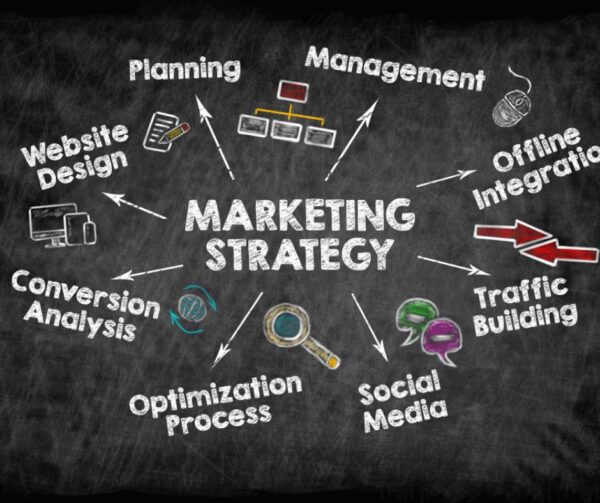
Marketing management is a fundamental element for achieving success in today’s business world. It requires a variety of skills and strategies to build strong customer relationships, increase brand awareness, and drive sustainable sales. Through effective planning, market analysis, brand development, and the implementation of digital marketing strategies, companies can achieve growth and success in a competitive market.