



Influencer Marketing: A Successful Strategy for Brands
Studies show that over 80% of consumers have purchased a product influenced by digital influencers’ posts. This highlights the pivotal role of influencer marketing in today’s business world, especially in Saudi Arabia. Brands looking to strengthen their market presence must adopt a well-planned influencer marketing strategy to ensure tangible results.
Why Influencer Marketing Matters
-
Direct access to the target audience in innovative and personal ways.
-
Enhancing brand credibility through the trust followers place in influencers.
-
Increasing engagement and conversions via influencer-created content.
-
Creating marketing campaigns that align closely with consumer behavior and preferences.
Key Points for a Successful Strategy
-
Understand the importance of influencer marketing and its impact on brand goals.
-
Analyze purchase trends and how influencers affect consumer decisions.
-
Build an integrated influencer marketing strategy aligned with overall brand objectives.
-
Select the right influencers capable of effectively engaging your target audience.
-
Measure performance and analyze results to maximize campaign effectiveness.
Steps to Implement an Influencer Marketing Strategy
1. Define Your Marketing Goals
-
Increase brand awareness: Influencers can spread awareness across multiple platforms and diverse audiences.
-
Promote new product launches: Influencers can directly persuade audiences to try new products.
2. Understand Your Target Audience
-
Analyze demographics and interests: age, gender, location, interests, and purchasing behavior.
-
Choose influencers whose audiences align with your target market to ensure campaign effectiveness.
3. Select the Right Influencers
-
Alignment with brand values to ensure consistent messaging.
-
Audience engagement analysis to confirm influencer effectiveness.
-
Content quality and relevance to the product or service.
-
Review past performance to ensure measurable results.
4. Use Research and Analytics Tools
-
Leverage digital tools to analyze influencers’ profiles: follower count, engagement rate, content type.
-
Focus on real influence, not just follower size.
-
Evaluate platform coverage and costs for maximum ROI.
Conclusion The success of any influencer marketing campaign depends on:
-
Balancing brand alignment, credibility, and content quality.
-
Accurately analyzing the audience for effective reach.
-
Setting clear goals and monitoring results to optimize ROI.
With an integrated influencer marketing strategy, brands can increase awareness, boost loyalty, and achieve tangible results in the competitive Saudi market.
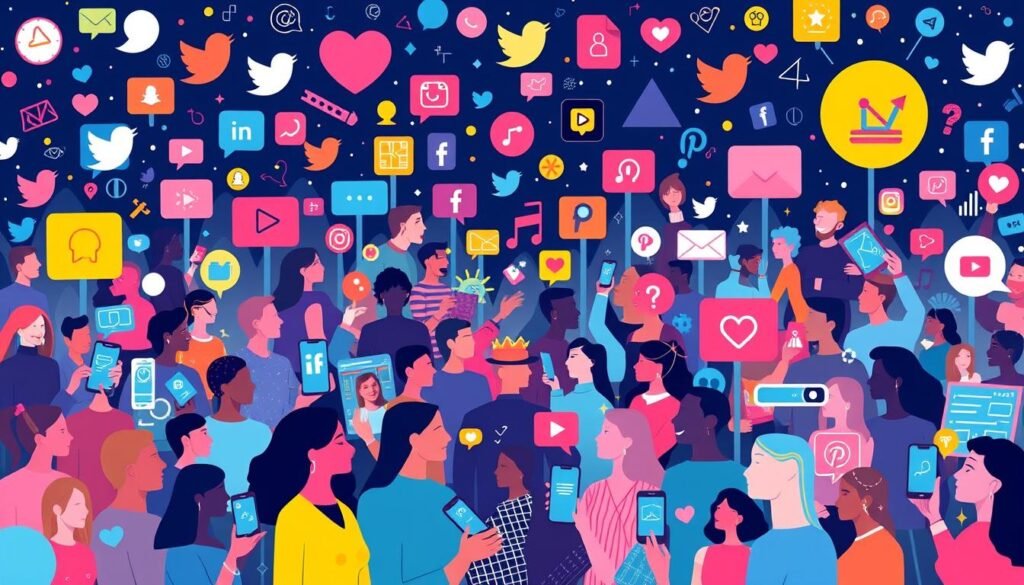
Choosing influencers must be done carefully to ensure alignment and effectiveness in achieving brand goals. Utilizing advanced tools and precise methodologies in influencer analysis will enable you to build strong relationships that benefit both the brand and the influencer.


The following are some key metrics that should be monitored to effectively evaluate campaign performance:
-
Engagement Rate: Includes comments, likes, and shares on the content posted by influencers.
-
Reach and Impressions: The number of people who saw the content.
-
Follower Growth: The number of new followers on the brand’s social accounts resulting from the campaign.
-
Sales Conversions: Measuring the actual increase in sales associated with the campaign.
Using Performance Metrics to Improve Future Campaigns
Data collected from these performance metrics can be used to optimize future marketing campaigns, increasing their effectiveness and audience impact. Key insights include:
-
Engagement Rate: Helps evaluate the appeal of the influencer’s content and audience interaction, guiding adjustments to enhance participation.
-
Reach and Impressions: Measures the influencer’s ability to deliver the marketing message to a wide audience efficiently and cost-effectively, helping expand brand awareness.
-
Follower Growth: Reflects the expansion of the brand’s target audience as a direct result of the influencer’s impact on their followers.
-
Sales Conversions: Helps determine the direct return on investment (ROI) from the campaign, enabling strategic decisions to improve future results.
Case Studies: Successful Influencer Marketing Campaigns
Analyzing successful campaign case studies provides deep insights into how influencers can be leveraged to achieve specific business goals. In the Saudi market, several brands have effectively collaborated with influencers to create engaging campaigns with tangible results in sales, engagement, and brand awareness.
These campaigns focused on accurately identifying the target audience and creating content aligned with their interests, engaging them naturally without being overly promotional. This approach significantly increased engagement between consumers and the brand.
For example, one brand partnered with an influencer to promote new products, resulting in a significant sales increase. Another campaign used interactive content with an influencer to boost audience participation, seeing a large surge in engagement. A third brand adopted an educational influencer strategy to explain product usage, enhancing brand awareness among the target audience.
These case studies highlight the importance of choosing the right influencer with real, trustworthy influence over the target audience. Careful planning, deep audience understanding, and effective communication with influencers play a crucial role in the success of campaigns and achieving tangible results for brands.
Potential Challenges in Influencer Marketing
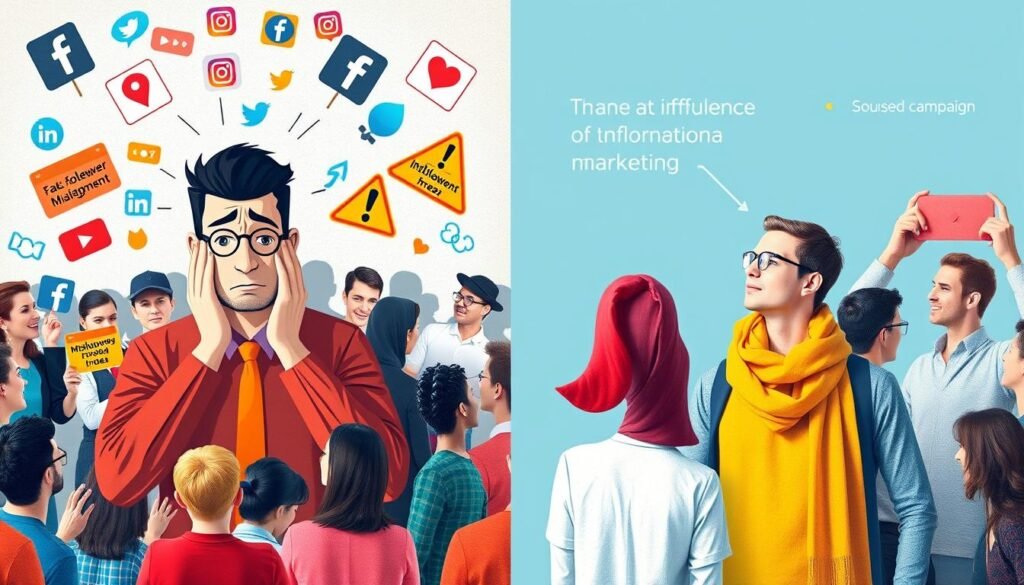
Marketers face several key challenges when executing influencer-based campaigns, requiring smart expectation management and efficient handling of communication issues.
Managing Brand and Influencer Expectations
One of the challenges in influencer marketing that requires special attention is managing expectations between brands and influencers. Campaigns often require a balance between marketing goals and the realistic capabilities of influencers. Lack of clarity in these expectations can lead to subpar results. Ensuring transparency and agreeing in advance on objectives and performance metrics is a crucial step to guarantee that results are achieved as expected.
Dealing with Miscommunication and Campaign Failures
Miscommunication is often a major obstacle to successful influencer marketing campaigns, as it can lead to negative outcomes and harm the brand’s reputation. Therefore, it is essential to manage expectations between the brand and influencers clearly and to continuously monitor messages and content to avoid misunderstandings.
To enhance communication effectiveness, it is recommended to create a clear plan that includes realistic, mutually agreed-upon objectives, emphasizing agreement details to ensure commitment from all parties. Advanced campaign management tools can also be used to track performance, identify issues, and address them before they escalate, reducing the risk of major campaign failures.
In short, effective communication and careful follow-up help minimize errors, align influencers with the brand, and ensure sustainable success for marketing campaigns.
Best Practices When Working with Influencers
To ensure successful collaboration between brands and influencers, it is essential to adopt best practices in effective marketing. These practices not only help achieve business goals but also strengthen long-term and sustainable relationships with influencers.
-
Define Shared Goals: Before starting any campaign, align on objectives that both the brand and the influencer aim to achieve to ensure effective marketing.
-
Choose the Right Influencer: Ensure the influencer has an audience that matches the brand’s target demographic.
-
Transparency in Communication: Maintain clear and open communication channels with influencers to discuss all aspects of the marketing campaign.
-
Provide Valuable Content: Encourage influencers to create engaging and authentic content that reflects the brand’s values and resonates with their audience.
-
Monitor and Evaluate Performance: Use analytics tools to assess campaign effectiveness and learn from results to improve future practices.
Adhering to these best practices will be key to the success of marketing campaigns and establishing productive partnerships that benefit both brands and influencers.
Conclusion
Throughout this article, we explored the most important influencer marketing strategies and how to select the ideal influencer who aligns with the brand’s values and goals. We emphasized the crucial role of understanding the target audience and the unique characteristics of the Saudi market, as well as the importance of accurately evaluating influencers to ensure their positive impact on audiences.
We highlighted why defining marketing objectives is the first step before diving into influencer marketing and stressed key elements such as engagement analysis and content credibility. The summary underscores the urgent need for Saudi companies to adopt well-thought-out methodologies and ensure complete harmony between brand messaging and targeted advertising campaigns.
To secure a bright future for your brand in the Saudi market, leveraging influencers is an integral part of modern marketing strategies, promising high engagement and efficient achievement of business objectives.
Frequently Asked Questions (FAQs)
What is influencer marketing?
Influencer marketing is a strategy that uses individuals with fame or influence in their digital communities to promote specific brands or products through their social media platforms.
Why is influencer marketing effective in the digital age?
It is effective because influencers have loyal and specific audiences and can significantly influence purchasing decisions. Digital marketing also allows precise measurement of results and data analysis to improve marketing strategies.
How do I choose the right influencer for my brand?
To choose the right influencer, first identify your target audience, then look for influencers with a similar audience. Also, consider the alignment of the influencer’s values and public image with your brand, as well as the quality and engagement of their content.
What goals can be achieved through influencer marketing?
Influencer marketing can be used to achieve several goals, including increasing brand awareness, boosting sales, launching new products, improving overall brand image, and building trust between the audience and the brand.
How can the success of influencer marketing campaigns be measured?
Success can be measured through key performance indicators (KPIs) such as engagement rates, new follower growth, traffic driven by influencers to the website, sales resulting from the campaign, and other analytical data.
What are the important metrics for evaluating influencer credibility and impact?
Important metrics include the ratio of real followers to fake ones, engagement rates (likes, comments, shares), quality and authenticity of the content the influencer publishes, and their genuine impact on their audience.