


In the era of digitalization and fierce competition for visibility in search results, search engine optimization (SEO) has become one of the most important tools that help any website or business succeed and sustain growth. If you aim to increase traffic and achieve real results, understanding and properly applying SEO rules is the essential step to building a strong digital presence.
What is SEO and Why is it Important?
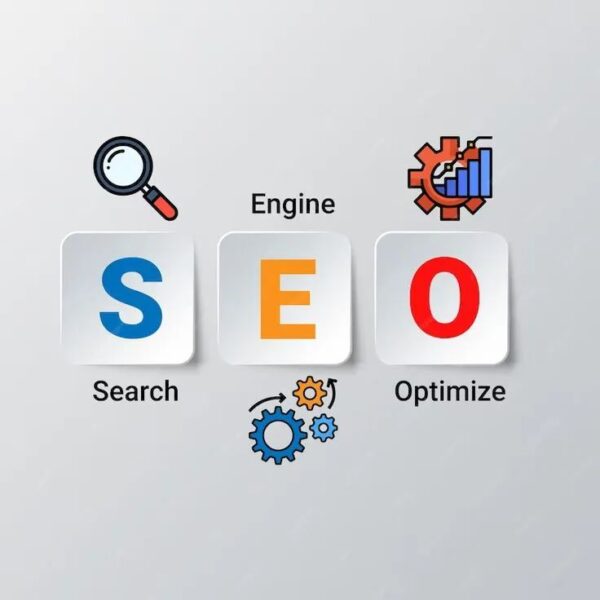
Search engine optimization (SEO) is a set of strategies and techniques aimed at improving your website’s visibility in the top search results on engines like Google. The more your website complies with these rules, the higher its chances of appearing أمام potential customers, leading to increased traffic and sales.
The importance of SEO lies in providing continuous organic traffic, helping build trust with your audience, and giving you a strong competitive advantage over competitors.
Keyword Research
Keywords are the foundation of any successful SEO strategy, as they reflect what users are searching for. You should choose keywords with appropriate search volume and reasonable competition, while focusing on terms related to your business.
It is best to use keywords naturally within the content without stuffing, distributing them across headings and paragraphs to improve visibility in search results.
Content Optimization
Content is the most important factor in SEO success, so it must be rich in information, useful, and provide real value to the reader. Good content does not only focus on keywords but also addresses user problems and answers their questions.
Make sure to write well-structured content using clear headings, short paragraphs, and an easy-to-read style, as this improves user experience and increases time spent on the site.
Website Structure Optimization
A well-structured website helps search engines understand your pages easily. The site should be organized, with internal links connecting pages logically.
Using headings such as H1, H2, and H3 correctly helps organize content and highlight its importance, making it easier for visitors to navigate and find information quickly.
Website Speed Optimization
Website loading speed is a key factor that affects your ranking in search engines. Slow websites cause users to leave quickly, increasing bounce rates and negatively impacting SEO.
Speed can be improved by compressing images, reducing unnecessary code, and using caching techniques, which significantly enhance user experience.
User Experience Optimization
User experience has become a crucial ranking factor, as search engines favor websites that offer a smooth and fast experience. Your website should be easy to use, responsive across all devices, and have a clear and attractive design.
The better the user experience, the higher the chances that visitors will stay longer and interact with your content.
Building Backlinks
External links, or backlinks, are among the most important factors for website authority. When you obtain links from trusted websites, it enhances your credibility in the eyes of search engines.
You can build backlinks by writing guest posts, collaborating with other websites, or creating valuable content worth sharing.
Metadata Optimization
Metadata such as page titles and meta descriptions play a key role in attracting visitors from search results. These elements should be clear, engaging, and include targeted keywords.
Writing a strong title and compelling description increases the click-through rate (CTR), which improves your website ranking.
Using Analytics and Measuring Performance
Data analysis helps you understand your website’s performance and identify strengths and weaknesses. By tracking traffic, sources, and user behavior, you can continuously improve your strategy.
Relying on data rather than guesswork is what distinguishes successful websites in the SEO field.
Mobile Optimization
Most users browse the internet via mobile devices, so your website must be compatible with all devices. A responsive design ensures your content is displayed correctly and is easy to use on any screen.
Improving mobile user experience directly contributes to better search rankings.
Image and Media Optimization
Images are an important part of content, but they can affect website speed if not optimized. You should compress images and use alt text containing keywords to help search engines understand the content.
Using media smartly also enhances content appeal and improves user experience.
Updating Content Regularly
Regularly updated content signals to search engines that your website is active and reliable. Therefore, it is important to update old articles, add new information, and remove outdated or irrelevant content.
This helps maintain your ranking and attract more visitors over time.

Conclusion
Applying SEO rules correctly is the key to success in the digital world. By focusing on keywords, content optimization, user experience, and website speed, you can achieve strong results and increase your visibility in search engines.
SEO is not a temporary process but a long-term investment that requires continuous improvement and development. By following these principles, you can build a strong website that achieves sustainable growth and real success.