



E-Commerce in the Modern Era: A Global Shift Toward Online Shopping
In today’s world, e-commerce has become an essential part of our daily lives, experiencing rapid growth and remarkable development. This article explores how e-commerce has influenced global consumer and business behaviors, its importance in the modern economy, and the key factors behind its growth and evolution.
E-Commerce: Definition and Origins
E-commerce simply refers to the buying and selling of goods and services over the internet. The concept began to take shape in the late twentieth century with the emergence and expansion of the internet. Since then, e-commerce has evolved significantly to include everything from physical products to digital services.
Digital Transformation and Its Impact on E-Commerce
Digital transformation has played a major role in accelerating the growth of e-commerce. The internet has become a primary medium for communication, buying, and selling, which has changed the way we approach shopping. Thanks to modern technology, individuals and businesses can now interact more effectively with customers and deliver enhanced shopping experiences.
Financial Technology and Electronic Payments
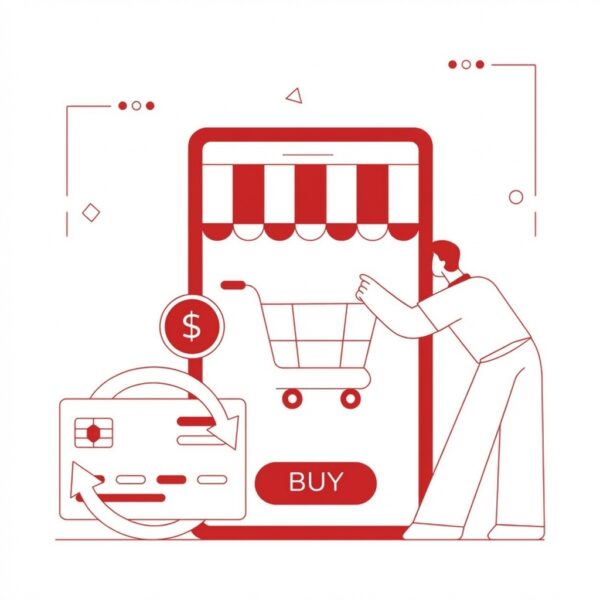
Financial technology (FinTech) is one of the key factors that has contributed to the growth of e-commerce. Advanced electronic payment methods, such as credit cards and digital wallets, have made online purchasing easier and more secure. This technology has not only facilitated transactions but also increased consumer trust.
Digital Marketing and Its Role in E-Commerce Success
It is impossible to talk about e-commerce without addressing digital marketing. The use of digital tools such as social media, data analytics, and search engine optimization (SEO) has helped businesses reach a wider audience in more effective and targeted ways. This modern marketing approach has made it possible to achieve significant success in the e-commerce world.
Customer Experience and Its Importance
Customer experience is at the core of the success of any e-commerce platform. Providing excellent customer service, flexible return policies, and a smooth user experience all contribute to customer satisfaction and brand loyalty. In the digital age, online ratings and reviews play a crucial role in purchasing decisions.
E-Commerce and the Global Market
E-commerce has opened global markets to companies and individuals. Businesses are no longer limited by geographical boundaries and can now reach customers worldwide. This shift has increased competition but also created significant opportunities for growth and innovation.
Challenges of E-Commerce in the Modern Era
Despite its many advantages, e-commerce faces several challenges. The most prominent of these challenges include cybersecurity, personal data protection, intense competition, and rapidly changing consumer preferences. Addressing these challenges requires advanced strategies and continuous efforts to improve operations.
The Future of E-Commerce
The future of e-commerce looks promising and full of opportunities. Continued growth is expected as more advanced technologies such as artificial intelligence and augmented reality are adopted. These innovations will help deliver more personalized and interactive shopping experiences.
E-commerce has become a fundamental pillar of the modern economy. Thanks to technological innovation and digital transformation, it has significantly changed consumer behavior. Despite the challenges it faces, the opportunities it offers make it a promising field worthy of investment and attention.