


Effective Marketing Strategies to Increase Reach and Sales in the Digital Market
In today’s business world, marketing is no longer just an option—it has become a fundamental necessity for any company seeking growth and sustainability. With the rapid digital transformation and the increasing reliance of consumers on the internet, adopting smart and integrated marketing strategies is essential to keep up with this evolution.
In this article, we explore the most important marketing strategies that help businesses strengthen their digital presence, expand their customer base, and achieve real growth in sales.
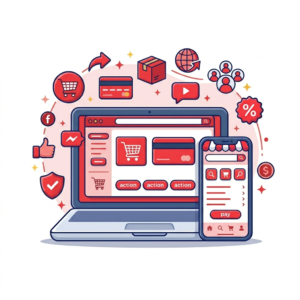
Content Marketing
Content marketing is one of the most powerful tools for building a strong relationship with your audience. The idea goes beyond direct selling—it’s about providing real value.
How to apply it effectively:
- Write educational articles that solve customer problems
- Create explanatory or tutorial videos
- Design engaging and easy-to-understand infographics
- Share success stories and customer experiences
The more valuable and relevant your content is, the more trust you build—leading to higher conversion rates.
Social Media Marketing
Social media platforms are among the most powerful channels to reach your target audience quickly and cost-effectively.
Key strategies:
- Post consistently with diverse content (educational, entertaining, promotional)
- Use paid ads for precise targeting
- Collaborate with influencers
- Engage directly with comments and messages
Success depends on understanding each platform and its audience—not just being present.
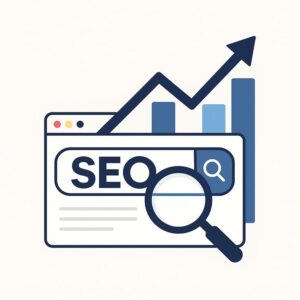
Search Engine Optimization (SEO)
Ranking on the first page of search results on platforms like Google can be a game-changer for any business.
Core SEO elements:
- Choosing the right keywords
- Creating high-quality content
- Improving website speed and user experience
- Building backlinks
SEO brings in customers who are already searching for your service, increasing the likelihood of conversions.
Email Marketing
Despite being one of the oldest strategies, email marketing still delivers one of the highest returns on investment (ROI).
Use cases:
- Sending exclusive offers
- Following up with leads
- Building long-term relationships
- Retargeting previous customers
The key here is personalization—avoid sending generic or random emails.
Video Marketing
Visual content has become the most impactful format today, especially with the rise of platforms like TikTok and Instagram Reels.
Effective video ideas:
- Product introduction videos
- Customer reviews and testimonials
- Behind-the-scenes content
- Short educational videos
A well-made video can achieve massive reach in a very short time.
Paid Digital Advertising
Paid advertising helps you achieve fast results, especially in the early stages of your business.
Popular platforms:
- Google Ads
- Facebook Ads & Instagram Ads
- TikTok Ads

Important tips:
- Precisely target your audience
- Test multiple ads (A/B Testing)
- Monitor and optimize continuously
Using Analytics and Data
Any strategy without performance measurement is a risk.
Important tools:
- Google Analytics
- Meta Business Suite
- Hotjar
Key metrics to track:
- Number of visitors
- Conversion rate
- Customer Acquisition Cost (CAC)
- Return on Investment (ROI)
Data helps you make smart decisions instead of guessing.
Branding
A brand is not just a logo—it’s a complete experience that customers feel.
Elements of a strong brand:
- Distinct visual identity
- Clear tone of voice
- Consistent message and values
- Excellent customer experience
The stronger your brand, the easier it becomes to sell.
Influencer Marketing
Collaborating with influencers has become one of the fastest ways to reach a ready audience.
How to choose the right influencer:
- Their audience matches your target audience
- They have real engagement, not just numbers
- Their values align with your brand
Micro-influencers can sometimes be more effective than celebrities.
Conclusion
The success of any company in the digital market depends on a combination of strategies—not just one. The integration of content, social media, advertising, and analytics is what creates real impact.
Digital marketing is not just execution—it is an ongoing process of testing, measuring, and improving.